Experimental Evaluation of the Change in Fracture Geometry and Permeability Due to Shearing.
Abstract:
Fractures and faults can shear due to increased transverse stresses, or an increase of fluid pressure within a fracture reducing the effective forces stopping fracture slippage. This behavior has been widely observed in many seismic events. How small scale shearing events influence the permeability of fracture is not well known though, as few experimental tests have been performed that enable the dynamic change in a fractured rock position while simultaneously measuring the permeability across the fracture.
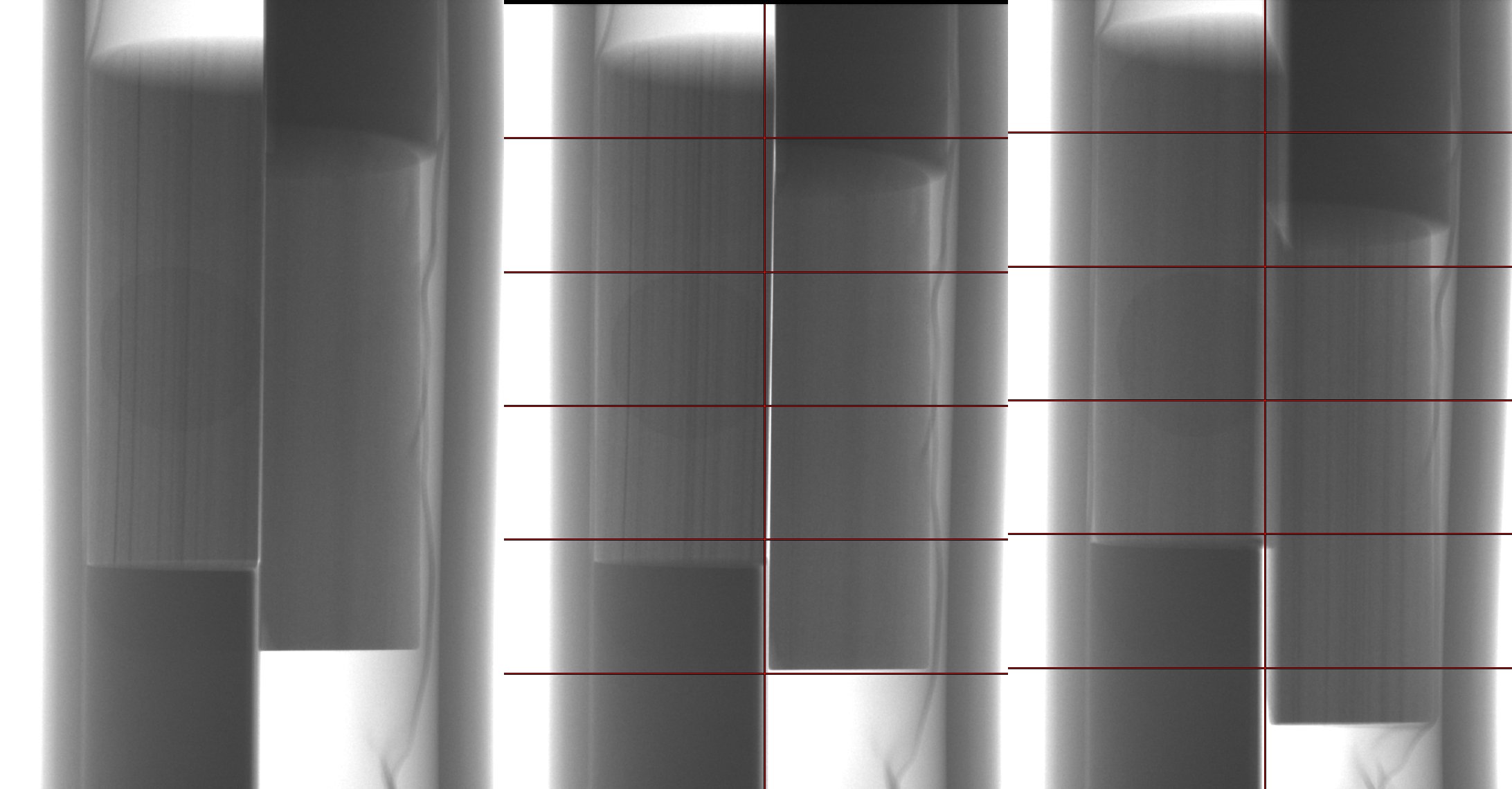
This talk describes resent research at the National Energy Technology Laboratory in Morgantown, West Virginia where fractured rock cores have been experimentally sheared and the permeability through the fracture has been measured. In addition, these fractured cores were imaged with computed tomography scanning to understand what geometric alterations to the fracture structure influence the shearing induced changes to fracture permeability. Both shale and sandstone fractured cores have been evaluated with this unique core flow apparatus, and relationships between the shearing distance, rock type, and initial fracture geometry are being developed to provide guidance on understanding and modeling sheared fracture permeability changes in CO2 sequestration and other sub-surface activities.