Testate amoeba assemblages of southern Patagonian peat bogs record drastic 20th century shifts: unprecedented climate change or increased UV-B radiation?
French Title: Changements drastiques des assemblages de thécamoebiens dans les tourbières du sud de la Patagonie lors du 20e siècle : un changement climatique sans précédent ou une augmentation des rayons UV-B?
Previously Published Material: We have published the testate amoeba transfer function in Journal of Quaternary Science (2014) 29: 463-474. Here we will present new, yet unpublished reconstructions.
Abstract ID#: 33929
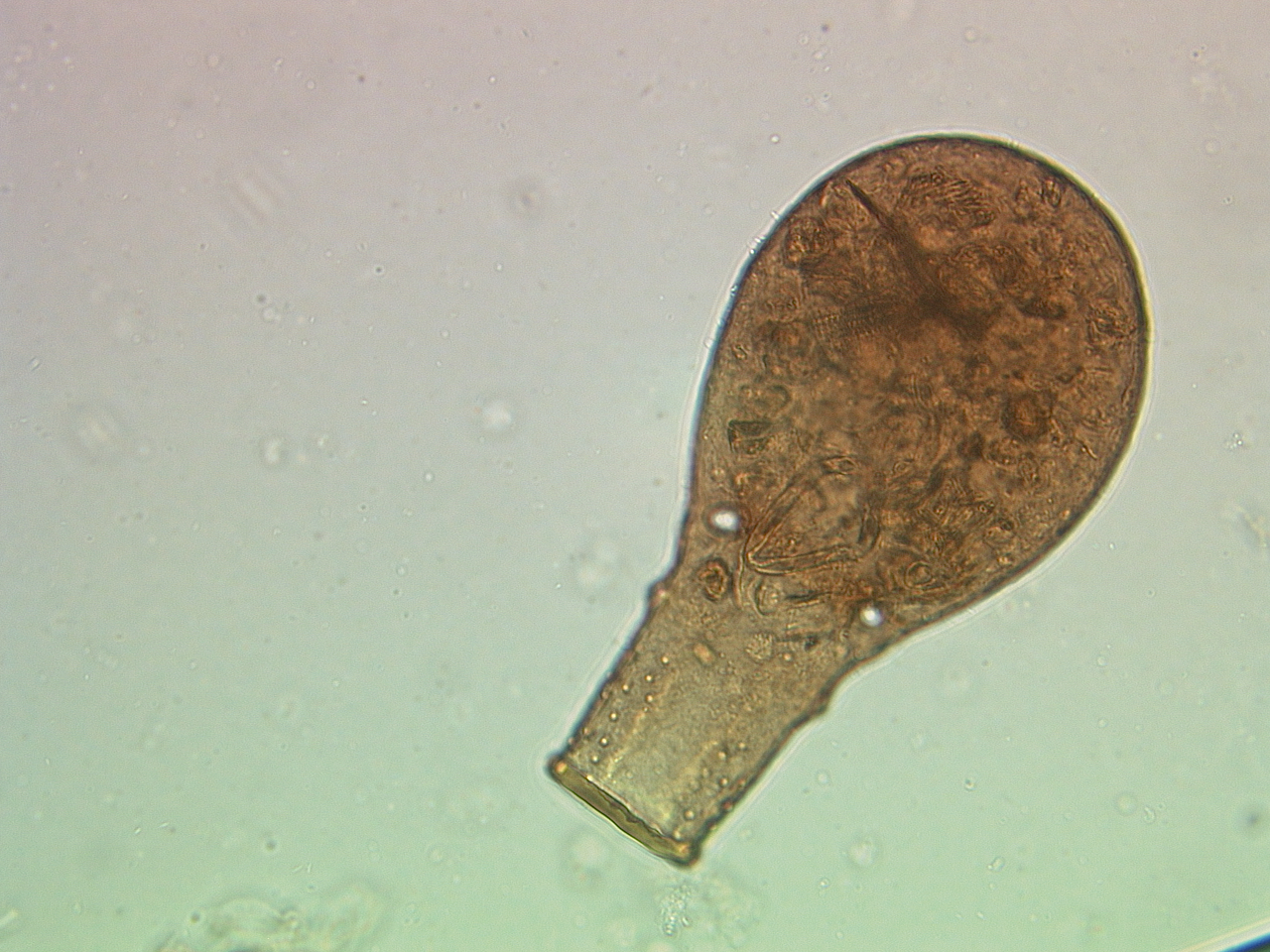
Cores were extracted from peat bogs located along a longitudinal transect across Tierra del Fuego. We reconstructed local water table depths based upon quantitative analyses of testate amoeba (TA) assemblages. These unicellular organisms live at the surface of humid ecosystems and create shells (‘tests’) that are generally well preserved in peat and their relative presence is closely linked to the local position of the water table. We therefore constructed a transfer function that allows for the quantitative reconstruction of past water table depths from historical assemblages. This transfer function has predictive ability, but relatively high prediction errors given the wide range of sampled water tables in excess of 100 cm. Statistical analyses of TA assemblages were performed to explore spatio-temporal patterns and relationships with climate and environmental variables.
Although water table depth remained the main environmental variable in explaining fossil TA assemblages, sensitivity to environmental factors varied between sites. During the last 2000 years, bogs recorded slightly wetter conditions between ~500-1000 AD, and drier conditions during the LIA. However, the sharpest change in both amoeba assemblages and reconstructed water table depths, suggesting important drying, was found during the 20th century. Given other evidence from previous publications and considering the regional climatic context, this shift, replicated at several sites, may have been forced by a decrease in precipitation. Nevertheless, we cannot exclude the influence of increasing UV-B radiation resulting from the local degradation of the ozone layer since the late 1970s. This may have affected and possibly still affects living TA assemblages in the southern Patagonian region.