An Observational Study of the Influence of Ice Formation on Heat and Water Loss from the Upper Great Lakes.
An Observational Study of the Influence of Ice Formation on Heat and Water Loss from the Upper Great Lakes.
French Title: Une étude d'observation de l'influence de la formation de glace sur la chaleur et la perte d'eau des Grands Lacs d'amont.
Abstract ID#: 34316
English Abstract:
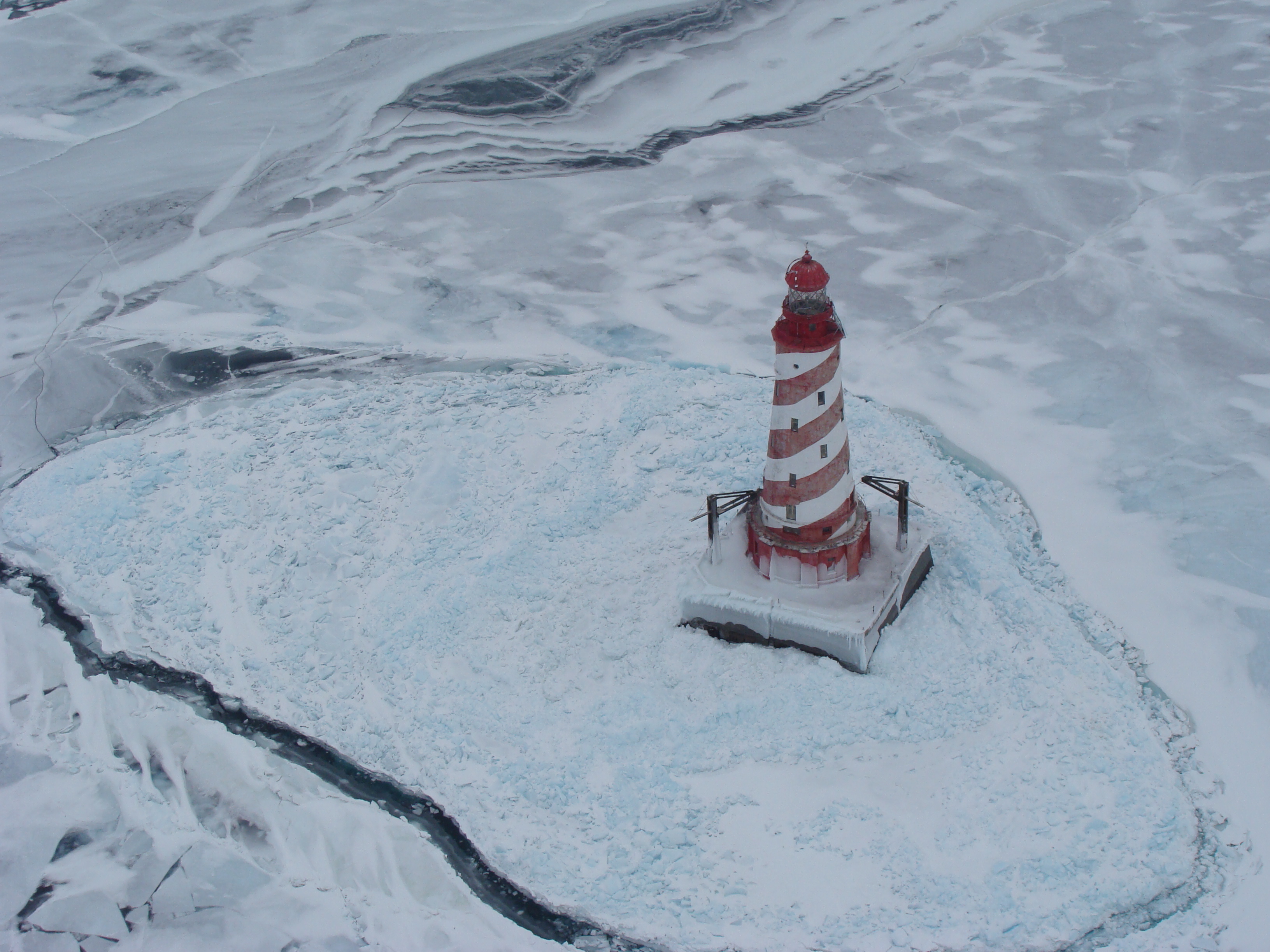
Ice cover on the Great Lakes is highly variable in both space and time, and poorly understood feedbacks between the lakes and atmosphere hinder our ability to predict fluctuations in water levels due to wintertime ice conditions. The economic costs of ice can be large, with an estimated shipping loss alone of $705 million in 2013-14. When ice is present, its cover is usually discontinuous with areas of exposed water in direct contact with the atmosphere. Using time-lapse photography and remote sensing, we detailed the development of ice formation on northern Lake Michigan, and related this to simultaneous direct measurements of the turbulent fluxes of sensible and latent heat using the eddy covariance approach. Footprint analysis of the area contributing to the turbulent fluxes together with the fraction of ice cover in the sampling area allowed us to examine the dynamic changes in sensible heat and evaporative water loss that occur as ice developed. Significant decreases in the sensible and latent heat fluxes occurred when an ice cover of 30% was achieved. Annually, compared to adjacent ice-sparse northern Lake Huron, ice resulted in a 43% reduction in the evaporative water loss, and a 57% reduction in the sensible heat loss.